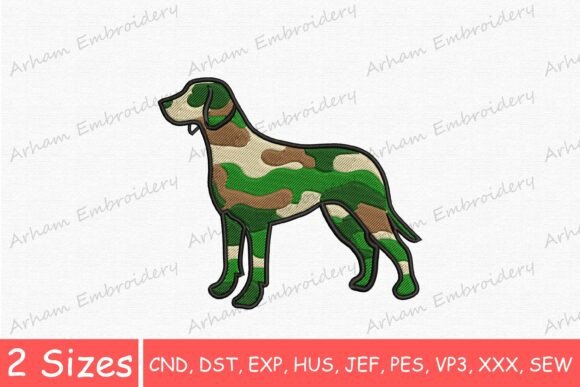
Camo Hunting Dog Embroidery Design Review
When I first pulled up the Camo Hunting Dog Embroidery Design, my immediate thought wasn't about the file size or the stitch count. It was about the vibe. There is a specific energy that comes from blending rustic outdoor themes with canine companions, and this piece captures it perfectly. As someone who has stitched thousands of designs for client projects and personal gifts, I look for more than just a pretty shape; I need to know if the design holds up under the needle and if it resonates with the people who will wear or use it.
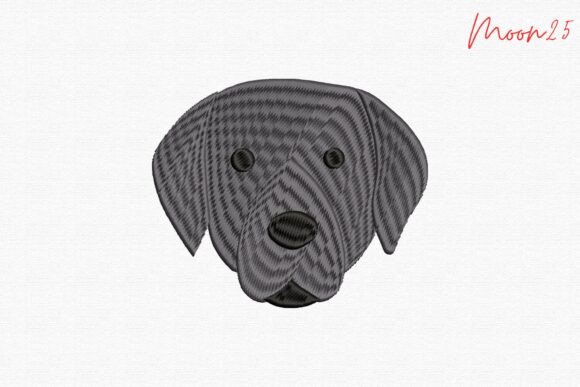
This embroidery file presents a woodland camouflage puppy silhouette that feels grounded and authentic. It isn't trying to be a cartoon character; it has a quiet confidence that fits well into rustic farmhouse decor or custom apparel. The mood is one of adventure and loyalty, making it an ideal choice for hunters, dog lovers, and anyone who appreciates the outdoors. But does it translate well from a digital preview to a physical finished product? That is where the real test begins.
First Impressions: Visual Personality and Layout
The layout of the Camo Hunting Dog Embroidery Design strikes a balance between detail and simplicity. The silhouette approach ensures that the design remains legible even when scaled down, which is crucial for items like caps or small patches. The camouflage pattern within the silhouette adds texture without overwhelming the eye. In a world of overly complex machine embroidery designs, this stands out because it respects the limitations of thread.
I appreciate how the design uses negative space effectively. When you look at a mockup, the contrast between the camo fill and the background suggests depth. This is not just a flat image; it has a sense of movement. For a designer, this means less risk of the stitching looking muddy on fabric. The visual personality is rugged yet soft, thanks to the puppy subject matter. It bridges the gap between a tough hunting theme and a cute gift item, expanding its potential market significantly.
Real-World Application: From Screen to Stitch
To truly understand the utility of this design, I ran through a few scenarios in my head, imagining how it would perform on different materials. Let's say I am preparing a custom order for a local boutique owner who sells handmade goods. They want a line of tote bags featuring this motif. The tote bag design aspect works beautifully here because canvas provides a sturdy surface that can handle the density of the fill stitches required for the camouflage pattern.
However, the versatility extends far beyond bags. Imagine a sweatshirt embroidery project for a family reunion. The sweatshirt embroidery needs to be bold enough to stand out but not so heavy that it warps the fabric. This design seems to have the right proportion for chest placement on hoodies or jackets. It also shines as a baby embroidery element on onesies or bibs. The silhouette is gentle enough to appeal to parents who love the outdoors but don't want anything too aggressive for their little ones.
I also see this working exceptionally well as a personalized gift. Whether it is stitched onto a leather patch for a trucker hat or embroidered on a kitchen towel for a new homeowner, the design carries emotional weight. It speaks to a lifestyle. When a customer sees this on a handmade product, they aren't just buying a decoration; they are buying into a shared identity. That connection drives higher perceived value and better engagement in online shops like Etsy.
Where Caution Is Required
Even the best machine embroidery design has its limits. While this design is robust, there are specific situations where you need to proceed with care. First, consider the hoop size. If you attempt to digitize or stitch this on a very small hoop, the details within the camouflage pattern might get lost. The intricate lines could merge, creating a blob rather than a distinct pattern. Always verify the recommended hoop size before starting.
Fabric selection is another critical factor. Thin fabrics or highly stretchy knits can distort the design if the wrong stabilizer is used. The density of the fill stitches requires a firm foundation. Without adequate stabilizer, the fabric might pucker around the edges of the puppy silhouette. Additionally, dark fabrics present a challenge. If you do not choose high-contrast thread colors, the camo pattern may disappear against a black or navy background. You must carefully review your thread colors to ensure the design pops.
Curved surfaces like baseball caps require precise alignment. A design that looks perfect on a flat sample might shift slightly on the curve of a cap brim. It is wise to test the design assets on scrap material that mimics the final product's curvature. Also, avoid placing this design on items that undergo frequent, harsh washing unless you are using high-quality threads and proper finishing techniques. The longevity of the embroidery project depends heavily on these practical considerations.
Impact on Brand and Customer Trust
In the competitive world of craft business and Etsy seller markets, the quality of your embroidery speaks volumes about your brand. A sloppy stitch job can ruin the perception of an otherwise beautiful design. The Camo Hunting Dog Embroidery Design offers clean lines and clear shapes, which helps maintain a professional appearance. When customers receive a small shop product with crisp detailing, their trust in your craftsmanship increases immediately.
This design also enhances giftability. People often struggle to find unique gifts for animal lovers or hunters. Having a design that combines these interests in a stylish way makes your offerings stand out. It allows you to create cohesive collections, such as matching aprons and pillow covers, which boosts sales through cross-selling. The rustic charm of the camo pattern aligns perfectly with current trends in home decor and apparel decorators looking for authentic, nature-inspired aesthetics.
Practical Notes for the Designer
Before you commit to running this design for a commercial order, there are a few technical steps you should take. Start by testing the design on scrap fabric that matches your intended project material. This will reveal any issues with tension or stability before you waste expensive supplies. Check the stitch density closely; if the areas feel too packed, consider adjusting the settings or choosing a lighter thread weight.
Inspect the small details, particularly the corners of the silhouette and the internal patterns of the camo. Sometimes, fine lines can break or skip on certain machines. Reviewing the design in a black and white mockup can help you visualize how the contrast will hold up on different colored fabrics. Ensure you are using the correct digital embroidery file format for your specific machine.
Finally, always confirm licensing terms. If you plan to sell finished items featuring this Dogs themed artwork, you need to know if you have the right to do so commercially. Do not assume standard usage rights apply to all products. Verify the license agreement provided by the creator to protect your creative entrepreneur business from legal issues. By following these steps, you ensure that your work is not only beautiful but also professional and legally sound.
Ultimately, the Camo Hunting Dog Embroidery Design is a versatile and emotionally resonant asset for any maker. It balances artistic flair with practical application, making it a strong candidate for everything from holiday gifts to boutique branding. With careful execution and attention to detail, this design can elevate your portfolio and delight your customers.