Plant Lover Machine Embroidery Design Review
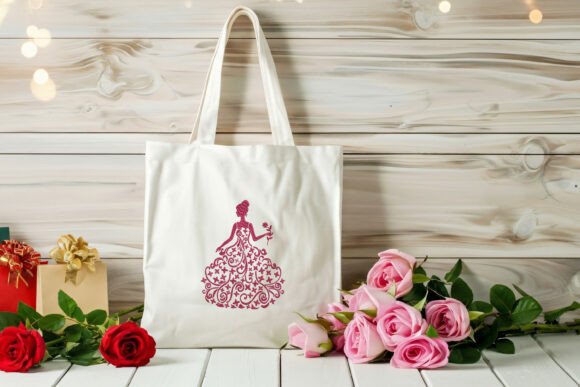
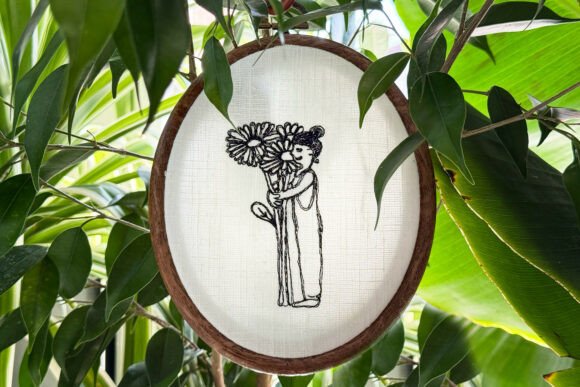
As an embroidery designer who spends hours testing files for commercial viability, I often approach new downloads with a mix of excitement and skepticism. When I first encountered the Plant Lover Machine Embroidery Design on Creative Fabrica, my initial reaction was one of quiet appreciation for its restraint. In a market flooded with overly dense and cluttered patterns, this piece stood out immediately for its delicate, minimalist aesthetic. It features a girl with flowers rendered in a modern line art style that feels both contemporary and timeless. But does it hold up when transferred from a digital screen to real-world fabric? After running several test stitches and considering its potential for actual customer orders, here is my honest evaluation.
The Visual Mood and Stitch Personality
The first impression of Plant Lover Machine Embroidery Design is defined by its airy quality. The description highlights a light stitch count, which is a crucial detail for anyone looking to create high-quality finished products without sacrificing efficiency. Visually, the design captures a serene botanical vibe that fits perfectly into the current trend of understated elegance. The modern line art style suggests that the file relies heavily on clean lines rather than heavy fill areas.
This specific aesthetic makes it incredibly versatile. It isn't just a flower; it is a character study combined with nature. The "girl with flowers" motif adds a personal touch that resonates well with buyers looking for personalized gifts. Unlike some designs that feel generic, this one has a distinct personality. It feels like something you would see in a boutique nursery or a high-end lifestyle shop. The simplicity of the line work implies that the stitching will likely utilize a combination of satin stitches for definition and running stitches for those delicate outlines, creating a soft texture that invites touch.
Real-World Application: From Tote Bags to Apparel
When evaluating this as a professional designer, I immediately thought about where this design could thrive in a physical product line. The versatility of the Plant Lover Machine Embroidery Design is its strongest asset. Because the stitch count is light, it performs exceptionally well on items where heavy embroidery might distort the fabric or look cumbersome.
I have visualized this design on canvas tote bags, where the minimal weight ensures the bag remains flexible and easy to fold. The same logic applies to linen accents and kitchen towels. Linen, with its natural slubs and texture, pairs beautifully with the clean lines of this embroidery file. A dark linen towel with a subtle, light-colored outline of this design would make a stunning handmade gift. Similarly, for custom apparel like sweatshirts or shirts, the lightweight nature of the design prevents the garment from feeling stiff around the chest area, maintaining comfort while adding a unique brand identity.
For sellers on Etsy or craft fair owners, this design offers excellent opportunities for seasonal collections. Imagine a series of embroidered patches featuring this motif for denim jackets, or small details on baby blankets. The "Single Flowers" category often leans towards heavy florals, but this design breaks that mold by offering a more narrative approach. It allows a boutique merchant to create a cohesive collection of merchandise that feels curated rather than mass-produced. Whether used for a printable mockup to showcase a new shop or stitched directly onto a pillow cover, the design elevates the perceived value of the item.
Practical Considerations for Production
While the concept is sound, the execution depends entirely on how the design interacts with different materials and machine settings. As an experienced user of Creative Fabrica embroidery assets, I know that not all files are created equal. Before committing this design to a rush order, there are several practical factors to consider.
One of the primary concerns with any line art style is the stability of the fine details. If the design includes tiny lettering or very thin stems, these areas can be prone to puckering if the stabilizer is not chosen correctly. For stretchy fabrics like t-shirts or caps, a cut-away stabilizer is almost always necessary to maintain the integrity of the lines. Conversely, for woven items like aprons or tote bags, a tear-away might suffice, provided the hoop size is appropriate for the design dimensions.
I also had to consider the impact of thread colors. The success of a minimalist design often hinges on contrast. On dark fabric, using a standard white thread might wash out the delicate lines. I recommend testing various thread colors to ensure the design pops without losing its subtlety. Additionally, because the design features a "light stitch count," it may not be suitable for high-wear areas on items that need frequent washing, such as work uniforms. However, for decorative purposes on home decor or gifts, the durability should be sufficient.
Another critical aspect is the hoop size. Designs with intricate details require precise hooping to avoid distortion. If the design is intended for a small hoop, the density of the stitches must be carefully reviewed to ensure they do not crowd each other. I advise checking the product details on the Creative Fabrica page to confirm the recommended hoop sizes and file formats before starting production. This step is vital for ensuring compatibility with your specific embroidery machine and avoiding costly errors.
Elevating Product Value and Brand Trust
In the world of handmade goods, presentation is everything. A well-executed embroidery file can significantly influence buyer trust and engagement. The Plant Lover Machine Embroidery Design, with its clean and modern look, projects a sense of professionalism. It signals to the customer that the maker cares about detail and quality.
When photographing finished products for listings, this design offers a distinct advantage. Its lack of heavy density means that the texture of the fabric underneath can still be seen, adding depth to product photography. This transparency creates a more inviting image for potential buyers. Furthermore, the design's universal appeal makes it highly giftable. It transcends specific demographics, making it a safe choice for entrepreneurs looking to expand their inventory without narrowing their target audience too much.
However, to truly maximize the value of this digital embroidery file, consistency is key. Using this design across multiple products—such as matching a tote bag with a kitchen towel and a cap—can help build a recognizable brand identity. The "modern line art style" provides a consistent visual language that ties a collection together.
Final Thoughts on Commercial Viability
Ultimately, the decision to use Plant Lover Machine Embroidery Design comes down to whether it meets your specific production needs. For designers seeking a versatile, low-density option that appeals to modern tastes, this file is a strong contender. It avoids the pitfalls of over-stitching and delivers a refined look that works well on a variety of substrates, from sturdy canvas to delicate linens.
If you are planning a project involving commercial embroidery, personalized gifts, or custom apparel, this design offers a solid foundation. Just remember to run a test on scrap fabric, check your thread color contrast, and review the stitch density to ensure it matches your expectations. By taking these practical steps, you can transform a simple digital download into a beautiful, high-value finished product that your customers will love.
Before you begin, always verify the licensing terms on the Creative Fabrica product page to ensure your intended use complies with the creator's guidelines. With the right preparation, this design can be a valuable addition to your arsenal of design assets, helping you create memorable handmade products that stand out in a crowded marketplace.