Red Cherry Embroidery Design Review
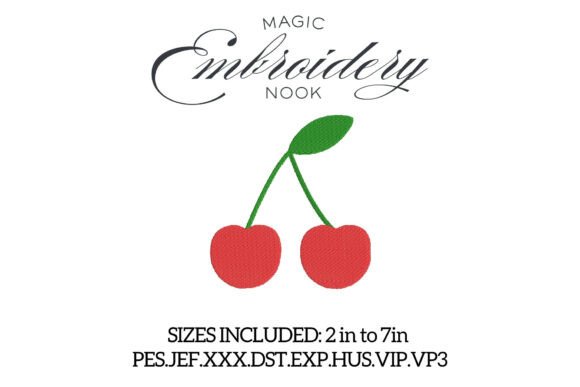
I recently pulled Red Cherry Embroidery Design off my desktop to evaluate it for an upcoming weekend craft fair. As a professional designer who has spent years turning digital files into tangible, sellable goods, I know that the difference between a design that sits in a drawer and one that clears a booth often comes down to visual impact and production practicality. This simple yet bright pattern featuring two connected red cherries is exactly the kind of asset that can elevate a handmade product line if applied with intention.
The first impression of this file is undeniably cheerful. It screams summer without being overwhelming. The description highlights a "retro aesthetic," and looking at the vector preview, it feels like something you would find on a vintage picnic blanket or a 1950s kitchen apron. For a craft fair table covered in linen, denim, and cotton, this design offers a pop of color that draws the eye immediately. It is cute, but not childish; decorative, but not cluttered. In the world of machine embroidery design, simplicity is often the key to mass appeal, and this embroidery file nails that balance.
Where Red Cherry Embroidery Design Shines on Products
When I imagine setting up my booth, I need products that photograph well and look substantial enough to command attention from across the aisle. Let's break down how this design performs on various items.
- Tote Bag Design: This is arguably the strongest candidate. A single placement of the cherries on the front pocket of a canvas tote bag creates a classic, functional accessory. Because the design is relatively compact, it works perfectly as a small accent rather than a massive statement piece. Customers love tote bags that feel personalized, and this handmade product idea is a crowd-pleaser for beach days and farmers market runs.
- Apron Embroidery: The retro vibe fits seamlessly into a kitchen theme. Placing the design on the bib of a flour sack towel or a heavy-duty cotton apron adds a touch of farmhouse charm. It suggests a cozy, baking-focused lifestyle which resonates deeply with buyers looking for gifts.
- Tea Towel Embroidery: Similar to aprons, tea towels are high-margin items. The bright red threads will stand out beautifully against white or cream backgrounds. However, you must consider the texture of the towel fabric; a rough weave might make the stitches look uneven, so selecting the right base fabric is crucial.
- Embroidered Patch: If you have the equipment to cut and back these, this design translates exceptionally well into a sew-on patch. Patches are trendy right now for adding personality to denim jackets or backpacks. The clear lines of the cherries ensure the patch remains legible even when scaled down slightly.
- Small Pouches and Pillow Covers: For smaller items like zipper pouches or pillow shams, this design acts as a focal point. It breaks up solid colors effectively and adds a sense of whimsy to home decor.
Photography and Visual Appeal
As an Etsy seller or boutique maker, your photos are your storefront. Red Cherry Embroidery Design has excellent photographic potential. The high contrast of the red thread against neutral fabrics makes for vibrant images that stop the scroll on social media feeds. When creating a printable mockup for your listings, the clean lines of the design allow the viewer to clearly see the stitch quality without getting lost in complex details.
The design also feels repeatable. You could create a pattern of scattered cherries for a larger surface area, or use the single motif for multiple variations of the same product. This consistency helps build brand identity, making your booth look cohesive and professional rather than haphazard.
Practical Production Notes for Craft Fair Sellers
Before you commit to producing fifty units for a Saturday market, there are technical realities to address. My experience tells me that skipping these steps leads to wasted time and frustrated customers.
Stitch Density and Thread Colors: While the design appears simple, dense areas of satin stitching can sometimes cause puckering if the stabilizer isn't sufficient. You need to ensure the thread colors chosen offer enough contrast against your fabric. If you use dark fabric, the red might get lost unless you choose a specific shade or add a contrasting outline. Always test the design on scrap fabric to check the tension.
Hoop Size and Fabric Texture: Check your hoop size requirements before starting. If the design is too large for your standard hoops, you may run into registration issues where the image shifts during multi-hoop sequences. Additionally, be wary of highly textured fabrics like terry cloth or heavy boucle. The needles might struggle to penetrate thick piles, leading to skipped stitches or distorted shapes.
Curved Surfaces: If you plan to put this on caps, remember that curved surfaces can distort straight lines. The cherries should remain recognizable, but slight stretching is inevitable. Test a few samples on different cap brands to find the sweet spot between stability and aesthetics.
What to Watch Out For
There are a few pitfalls to avoid when using this digital embroidery file.
- Small Details: If you attempt to resize the design significantly smaller for things like jewelry tags or tiny labels, the connecting stems of the cherries may disappear entirely. Keep the scale appropriate for the item.
- Dense Stitch Areas: Overly dense fill stitches can make the finished product feel stiff and uncomfortable, especially on clothing worn close to the skin. Ensure the density settings are balanced for softness.
- Dark Fabric Clarity: On black or navy fabric, the red might lack definition. Consider using a lighter background or adjusting the thread palette for better visibility.
Final Verdict for Your Business
For any creative entrepreneur looking to expand their inventory, Red Cherry Embroidery Design is a strong addition. It hits the sweet spot of being versatile enough for everyday carry items like totes while remaining decorative enough for home goods. The retro aesthetic gives it a timeless quality that won't feel dated next season.
To maximize your success, I recommend creating at least one real-world mockup before listing the product. Hold the finished item in your hand to judge the weight and drape. Does the stitch density feel premium? Is the fabric texture complementing the thread? These tactile elements are what convince a buyer to pull out their wallet.
Finally, never forget to confirm your commercial licensing terms. Whether you are selling finished goods or offering commercial embroidery services, ensure you have the rights to produce these items for profit. With the right preparation, this design can become a signature element of your booth display, driving engagement and sales all summer long.