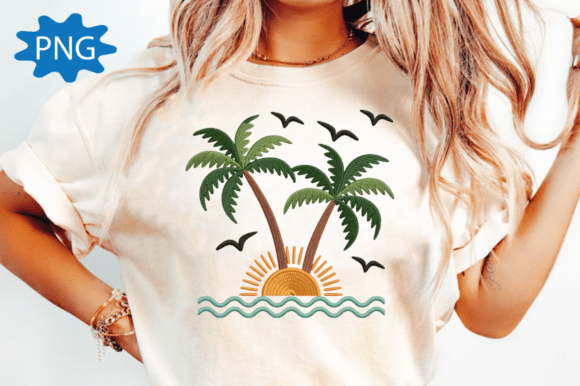
Tropical Palm Tree Machine Embroidery Review
As an experienced embroidery designer who has spent years turning digital concepts into tangible brand assets, I approach every new file with a mix of excitement and critical scrutiny. When evaluating Tropical Palm Tree Machine Embroidery, my primary focus is not just on how pretty the design looks on a screen, but how it translates to physical products for small business owners, boutique owners, and crafters. The title suggests a vibrant, nature-inspired aesthetic that could easily fit a summer-themed café, a beachwear boutique, or a relaxed handmade shop. However, before you add this to your inventory, we need to look past the marketing copy and examine the practical application of this machine embroidery design.
First Impressions: Setting the Brand Tone
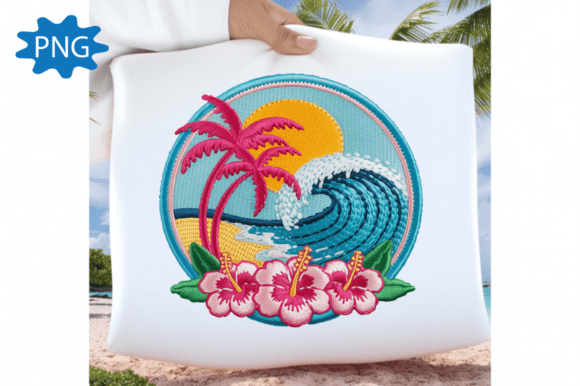
The description provided for this product mentions "Custom Typography T-Shirt Design Bundle Digital Files," which immediately signals a commercial intent. While the text focuses on print-on-demand stores, as an embroidery specialist, I am looking at Tropical Palm Tree Machine Embroidery through the lens of thread and fabric. A tropical palm tree motif typically conveys a sense of relaxation, warmth, and organic growth. For a small business, this visual personality can be incredibly powerful. It suggests a brand that is friendly, accessible, and perhaps a bit playful.
If you are running a local bakery, a florist, or a creative studio, this design could serve as an excellent anchor for your visual identity. It feels less corporate and more "handmade," which resonates deeply with customers who value artisanal quality. However, the effectiveness of this vibe depends entirely on execution. A poorly stitched palm tree can look cheap, while a well-executed one elevates the perceived value of your merchandise. The transition from a digital graphic to a tactile embroidered patch requires careful consideration of line weight and detail density.
Real-World Application for Small Business Merch
In my experience, the true test of any embroidery file is its versatility across different product categories. Tropical Palm Tree Machine Embroidery offers significant potential for various applications beyond standard t-shirts. Let us imagine a scenario where a local coffee shop wants to launch branded staff uniforms and customer gifts. This design could function beautifully as a chest logo accent on work shirts, providing a subtle nod to the shop's theme without overwhelming the wearer.
Beyond apparel, consider the utility of this design for durable goods. An embroidered patch featuring these palms would make a fantastic addition to canvas tote bags, which are increasingly popular as sustainable alternatives to plastic shopping bags. For a boutique selling handmade goods, placing this design on the side of a tote bag creates a cohesive brand mark that customers are happy to display in public. Furthermore, this design works exceptionally well for cap embroidery. The curved nature of a baseball cap often suits organic shapes like palm fronds better than rigid geometric patterns.
I also see strong potential for apron embroidery in kitchen settings. Whether for a pet brand, a florist, or a craft business, having a consistent logo on the apron adds a layer of professionalism. When a barista or baker wears a uniform with a high-quality Tropical Palm Tree Machine Embroidery design, it signals attention to detail and pride in their work. Additionally, this design could serve as a branded product add-on, such as a label sewn onto the inside of a garment or a tag attached to product packaging, reinforcing brand recognition every time a customer interacts with the item.
Strategic Considerations for Specific Use Cases
While the possibilities are exciting, there are specific areas where Tropical Palm Tree Machine Embroidery requires caution. Not every surface is suitable for detailed stitching. If you plan to use this for small patch sizes, you must ensure the design does not lose definition when scaled down. Tiny lettering or intricate outlines within the palm leaves can become muddy if the stitch count is too high relative to the size of the patch.
Curved surfaces, such as the front of a cap or the shoulder of a shirt, present unique challenges. The tension required to embroider a flat design onto a curve can distort the image if the digitization is not optimized for that specific placement. Similarly, textured fabrics like heavy denim or bouclé wool can hide fine details, making the design appear flat or indistinct. Dark uniforms also pose a risk; if the thread colors do not have sufficient contrast against the background fabric, the embroidered patch may disappear visually.
Frequent washing is another factor to consider. Designs with high stitch density can sometimes cause fabric puckering or stiffness over time, especially on items like aprons or work shirts that undergo industrial laundering. Ensuring the stitch density is balanced will help maintain the integrity of the Tropical Palm Tree Machine Embroidery design and keep the finished product soft and comfortable for the wearer.
Impact on Brand Identity and Customer Trust
Quality matters immensely when building a brand. In the world of small business merch, the difference between a printed sticker and a professionally embroidered logo is often the difference between a disposable item and a treasured keepsake. High-quality embroidery implies durability and effort, which translates directly to customer trust. When a client sees a crisp, clean embroidered patch on a tote bag or a hat, they perceive the brand as established and reliable.
Tropical Palm Tree Machine Embroidery can significantly enhance visual consistency across your product line. By using the same design asset on caps, aprons, and labels, you create a unified look that strengthens brand recall. This consistency is crucial for buyer engagement; customers are more likely to return to a business that presents a polished, professional image. Furthermore, the tactile nature of embroidery adds a sensory element to the unboxing experience, making the product feel more premium and valuable.
Practical Designer Notes for Production
Before you commit to production runs, there are several technical steps every designer should take. First, always test the design in black and white first. This helps you evaluate the balance and flow of the lines without the distraction of color. Next, check if the design works effectively at your intended small patch size. If the details are too fine, you may need to simplify the digitization.
Review thread color contrast carefully to ensure visibility on your target fabrics. Inspect the spacing between elements to prevent thread breaks during machine stitching. Confirm the recommended hoop size matches your available equipment and the dimensions of the final product. Testing on real fabric is non-negotiable; digital mockups cannot predict how the thread will interact with the weave of the material.
Using proper stabilizer is essential to prevent distortion, especially on stretchy knits or lightweight fabrics. Create a printable mockup for client approval before running large batches. This allows stakeholders to visualize the final result and catch any issues early. Finally, compare this design alongside other design assets in your library to ensure it fits your overall aesthetic. Most importantly, confirm the commercial licensing terms of the digital embroidery file to ensure you are legally permitted to use it for commercial embroidery projects and resell the finished goods.
By following these guidelines, you can maximize the potential of Tropical Palm Tree Machine Embroidery and turn it into a cornerstone of your brand's visual identity. Whether you are creating custom apparel, branded patches, or promotional items, taking the time to evaluate the technical aspects ensures your finished product meets the highest standards of quality.