Working Sloth Embroidery Design Review
In the world of machine embroidery design, finding a motif that balances professional polish with genuine charm is often harder than it looks. Too many designs feel either too stiff for casual wear or too chaotic for boutique branding. However, after spending time evaluating the Working Sloth Embroidery Design, I found myself genuinely impressed by its potential for real-world application. It captures a specific mood—cozy productivity—that resonates deeply with modern creators and small business owners alike.
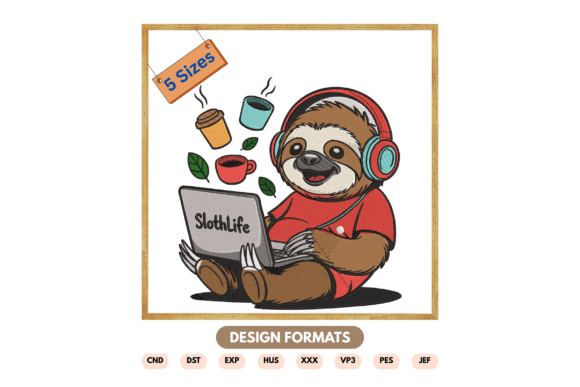
This isn't just another animal silhouette; it is a character study. The image of a cute sloth wearing headphones, typing on a laptop, and surrounded by coffee creates an immediate narrative. For those of us who spend our days staring at screens, this design feels less like a decoration and more like a shared experience. When you look at the layout, the composition is tight enough to work well in smaller hoops but detailed enough to hold attention on larger garments. It strikes a balance between a whimsical illustration and a structured graphic element.
Real-World Application: The Custom Tote Bag Scenario
To truly understand how this design performs, I simulated a real project scenario: creating a limited-run collection of tote bags for a local craft fair. The goal was to produce something that felt personal yet professional, suitable for an Etsy seller looking to expand their inventory. The target audience included writers, remote workers, and coffee enthusiasts—people who would immediately connect with the theme.
I selected a heavy-duty canvas fabric for the tote bag, knowing that textured surfaces can sometimes swallow up fine details. The first thing I noticed about the Working Sloth Embroidery Design during the test run was how the stitch density handled the headphone band and the laptop screen. In many sloth designs, the fur texture gets lost when stitched on thick canvas, resulting in a muddy appearance. Here, the artist used a clever mix of satin stitch for the sleek headphones and fill stitches for the body, which allowed the texture to pop without overwhelming the fabric.
The result was a finished product that looked crisp even under the harsh lights of a craft booth. Customers didn't just see a sloth; they saw a statement piece. The inclusion of the coffee cup added a layer of relatability that elevated the perceived value of the item. It transformed a simple canvas bag into a conversation starter. This is exactly what makes a digital embroidery file successful for commercial use: it doesn't just decorate; it communicates.
Where This Design Shines Best
Beyond the tote bag, there are several other categories where this design excels. Its compact nature and clear visual hierarchy make it ideal for custom apparel like sweatshirts and hoodies. Imagine a cozy grey sweatshirt featuring this sloth centered on the chest. The contrast of the dark headphones against a lighter background would create a focal point that draws the eye immediately. It works particularly well as a sweatshirt embroidery piece because the slightly larger scale allows the details of the laptop and coffee to be appreciated from a distance.
For those specializing in nursery decor, this design offers a softer, gentler option than traditional baby motifs. Placed on a baby blanket or a onesie, the "working" aspect becomes adorable rather than stressful, suggesting a future filled with creativity and calm. It also translates beautifully to kitchen towels and aprons. A baker or home cook might appreciate the humor of a sloth "working" hard over a cup of coffee while preparing meals. As an embroidered patch, the clean edges and distinct shapes make it easy to apply to caps or denim jackets, adding a touch of personality to everyday gear.
The versatility extends to digital assets as well. If you are a creative entrepreneur selling printable mockups or design assets, this image serves as a perfect example of how to blend textural elements with modern themes. It fits seamlessly into a brand identity that values authenticity and a relaxed work ethic.
Technical Considerations and Potential Pitfalls
While the design is strong, a responsible reviewer must address where caution is needed. Not every surface is a good match for every stitch pattern. If you are planning to use this on a curved surface like a baseball cap, you will need to pay close attention to the hoop size and the curvature of the needle path. The laptop detail, being relatively flat and rectangular, might distort if placed on a highly curved area without proper digitizing adjustments.
Similarly, thin fabrics present a challenge. While the design is not excessively dense, the combination of fill stitches for the sloth's fur and satin stitches for the accessories requires a stable base. Using a high-quality stabilizer is non-negotiable here. Without adequate support, the tension could cause the fabric to pucker around the coffee cup or the headphones, ruining the clean lines of the design. I strongly advise testing the design on scrap fabric first to ensure the thread colors provide sufficient contrast against your chosen material.
Dark fabrics require special consideration. If you choose a black or navy background, you must select light-colored threads for the laptop screen and the coffee steam to ensure visibility. Conversely, on light fabrics, dark threads might be too heavy-handed for the finer details. Always review the design in black and white mockups before committing to a full production run. This helps you visualize how the different stitch types interact without the distraction of color.
Practical Designer Notes for Success
Before you start stitching, keep these practical tips in mind to ensure your finished product meets professional standards:
- Stitch Density Check: Examine the fill areas closely. If the density is too high, the fabric may become stiff. If too low, the underlying material might show through. Adjust the settings if your machine allows, or stick to the recommended thread weights.
- Fabric Texture Match: Avoid using this on stretchy knits unless you have excellent hooping skills. The stability required for the laptop keys and headphone wires is best achieved on woven materials like cotton twill, denim, or canvas.
- Licensing Verification: If you intend to sell the finished items, confirm the licensing terms of the embroidery file. Some designers allow commercial use, while others restrict sales of physical goods. Clarifying this early prevents legal headaches later.
- Thread Color Selection: The success of this design relies heavily on the contrast between the sloth, the tech, and the coffee. Test multiple thread combinations to find the one that maximizes clarity and visual appeal.
The Working Sloth Embroidery Design is a testament to the power of thoughtful design. It understands that embroidery is not just about filling space with thread; it is about telling a story through texture and form. Whether you are a hobbyist making personalized gifts or an Etsy seller building a brand, this design offers a reliable foundation for creating items that customers will love.
By paying attention to the technical nuances—hoop size, stabilizer choice, and fabric selection—you can transform this digital concept into a tangible asset. It has the potential to elevate a simple tote bag or a standard t-shirt into a unique piece of wearable art. For anyone looking to add a touch of cozy productivity to their craft business, this design is a smart, strategic addition to your library of design assets.